OSHA Personal Protective Equipment Standard for Auto Shops
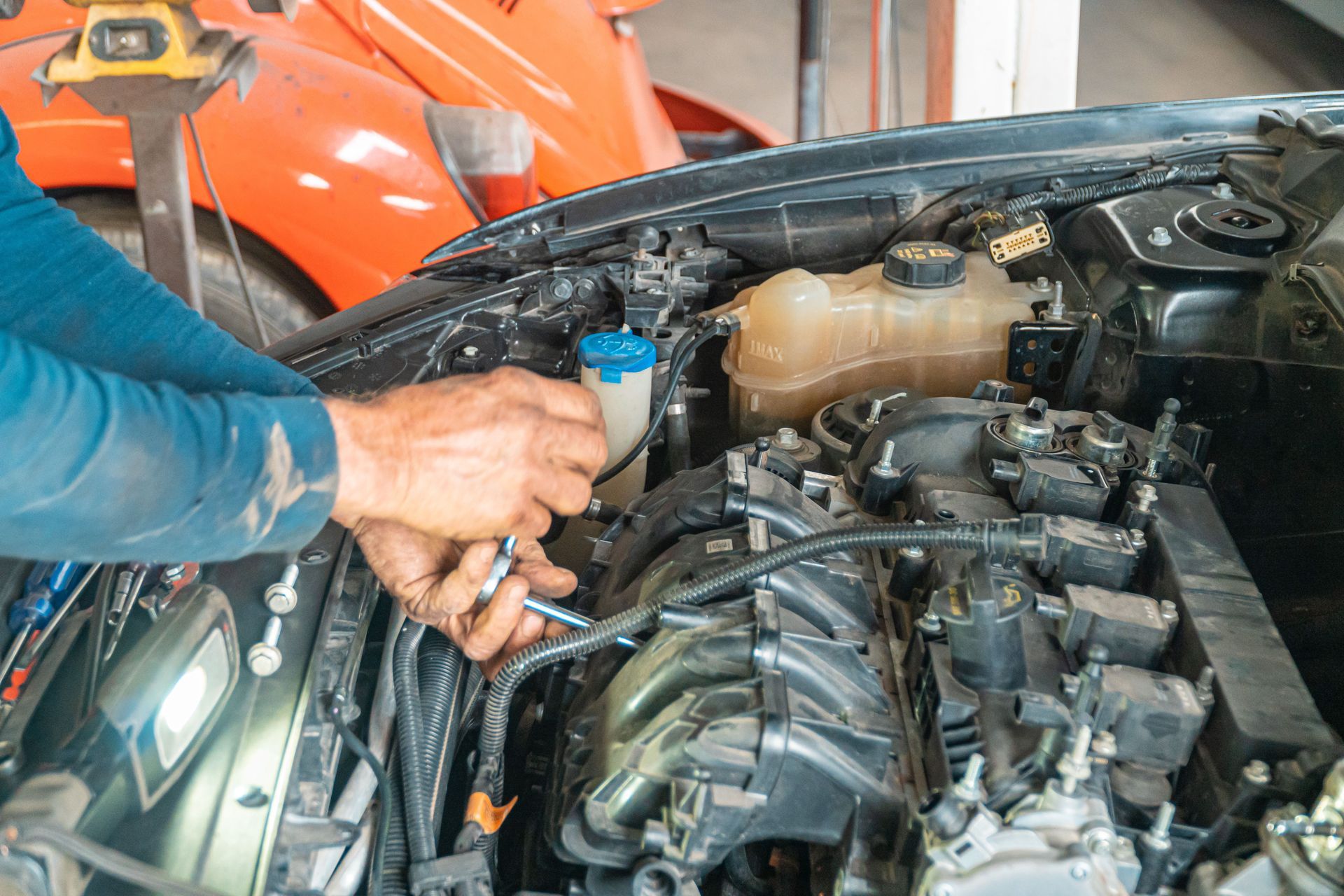
Every repair you schedule depends on the people doing the work. Technicians handle brake dust, solvents, battery acid, refrigerants, and spinning parts every day, often in tight spaces under a vehicle or inside an engine bay.
Federal workplace safety rules require repair shops to protect those workers, and personal protective equipment, or PPE, is a central part of that protection. Understanding how OSHA’s PPE standard works gives Oswego and Fox Valley drivers a clearer picture of what goes into a safe, professional repair shop.
Who Enforces Workplace Safety in Illinois Auto Shops
The Occupational Safety and Health Administration, known as OSHA, sets and enforces federal workplace safety rules. Illinois runs its own state plan, but that plan covers only state and local government workers.
Private employers in Illinois, including auto repair shops in Oswego and Kendall County, fall under federal OSHA. The OSHA overview of the Illinois State Plan explains how coverage is divided.
What the PPE Standard Requires
OSHA’s general PPE standard for most workplaces is found at 29 CFR 1910.132. It sets out several core responsibilities for employers:
- Hazard assessment: Employers must assess the workplace to identify hazards that call for PPE and document that assessment in writing.
- Selecting the right equipment: Based on that assessment, employers must select PPE that protects against the hazards identified and make sure it fits each worker properly.
- Training: Workers must be trained on when PPE is needed, what kind to use, how to wear and adjust it, its limitations, and how to care for it.
- Equipment condition: PPE must be kept in safe, reliable condition.
In most cases, employers must also pay for the PPE their workers need. The full text of 29 CFR 1910.132 lists these requirements and the limited exceptions.
Common PPE in an Auto Repair Shop
Auto repair involves several types of hazards, and each calls for specific protection.
Eye and face protection. Grinding, cutting, and working under vehicles can send debris flying. Brake fluid, battery acid, and refrigerant can splash or spray. OSHA’s eye and face protection standard requires appropriate protection whenever these hazards exist, such as safety glasses with side shields, goggles, or face shields. 29 CFR 1910.133 covers these requirements.
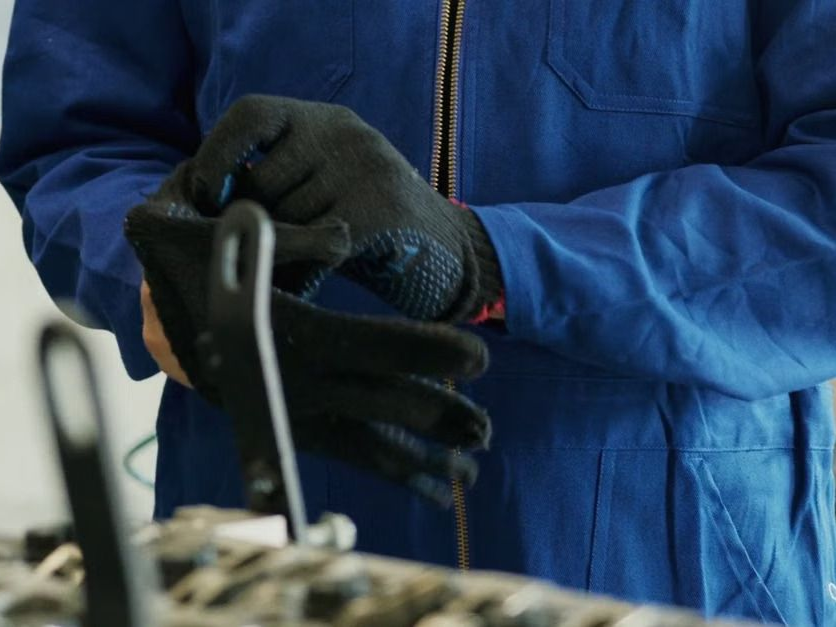
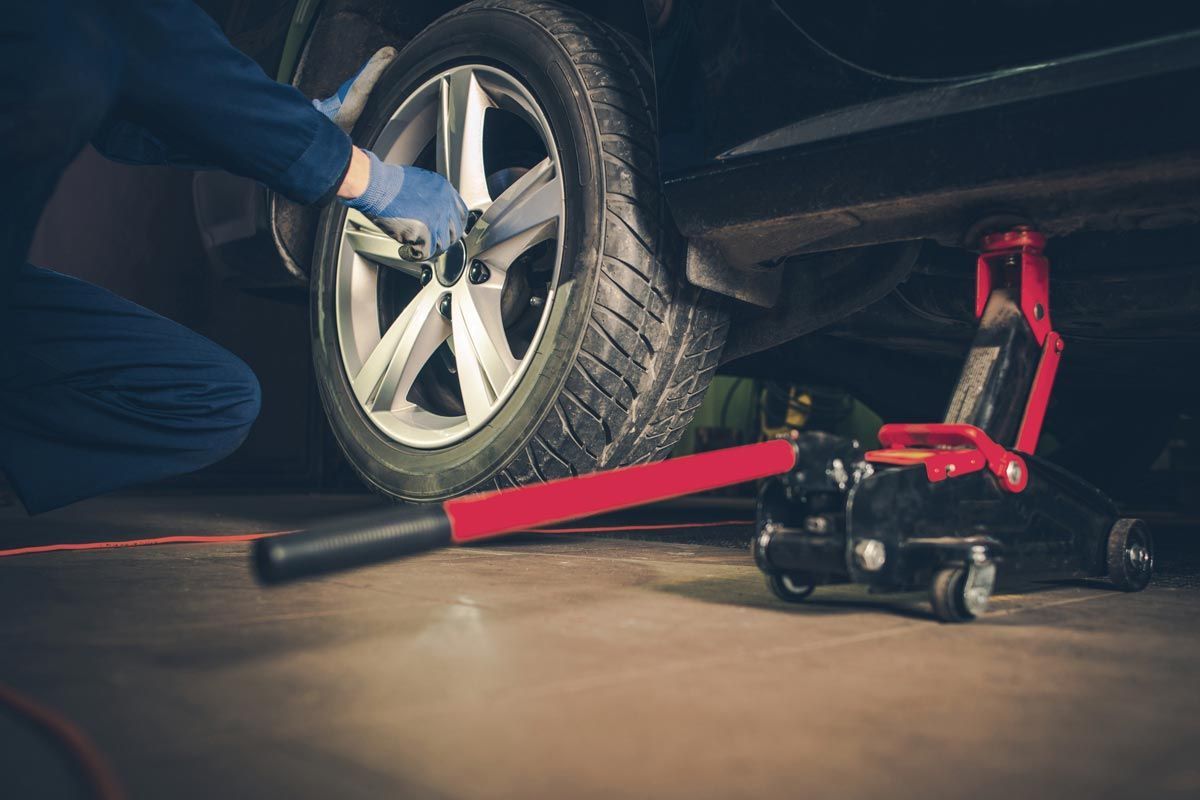
Hand protection. Technicians handle sharp edges, hot parts, oils, and chemicals. Gloves suited to the task, such as chemical-resistant nitrile gloves for fluids or cut-resistant gloves for sheet metal, help prevent burns, cuts, and skin irritation.
Foot protection. Heavy parts, tools, and wheels can fall or roll. Safety footwear helps protect against crushing injuries and slips on wet or oily floors.
Hearing protection. Impact wrenches, air tools, and compressors can be loud, especially in an enclosed shop. Earplugs or earmuffs help protect technicians’ hearing over time. The CDC’s NIOSH noise and hearing loss resources explain why repeated noise exposure matters.
Respiratory protection. Some tasks, such as working around certain dusts or chemical vapors, may call for respirators. When respirators are required, OSHA has separate rules for fit testing and medical evaluation.
Why PPE Matters to Drivers
PPE rules exist to protect workers, but they also say something about a shop’s overall approach. A shop that assesses hazards, trains its team, and provides proper safety gear tends to bring the same discipline to diagnosing and repairing your vehicle.
Safety also connects to specific services.
Brake work produces dust that technicians shouldn’t breathe or carry home on their clothes. AC service involves pressurized refrigerant that can cause frostbite-like injuries to skin and eyes.
Alignment and suspension work often means working under raised vehicles with heavy components. In each case, the right protective equipment helps technicians work carefully and focus on getting the job right.
Questions Oswego Drivers Can Ask
You don’t need to know every OSHA regulation to choose a safe, professional shop. A few questions and observations can tell you a lot:
- Does the service area look clean, organized, and well maintained?
- Are technicians wearing safety glasses and gloves while they work?
- Are your technicians ASE certified, and in which areas?
- Will you explain recommended repairs and provide an estimate before starting?
- What warranty covers your parts and labor?
A Family Automotive Tradition Since 1958
Safe practices in the shop and quality work on your vehicle go hand in hand. Choosing a repair shop that takes both seriously helps keep you safe on the road.
Bartel’s Auto Clinic in Oswego carries on a family automotive tradition dating to 1958, serving drivers from Aurora, Naperville, Yorkville, Batavia, Geneva, and Montgomery.
Our ASE-Certified Technicians work on all makes and models, providing brake repair, wheel alignments, AC repair, check engine diagnostics, and more with experienced workmanship and attentive service. Call Bartel's Auto Clinic at (630) 897-4217 or visit our Oswego shop page to schedule your service.