Little White School Museum and Oswego’s Pioneer Heritage
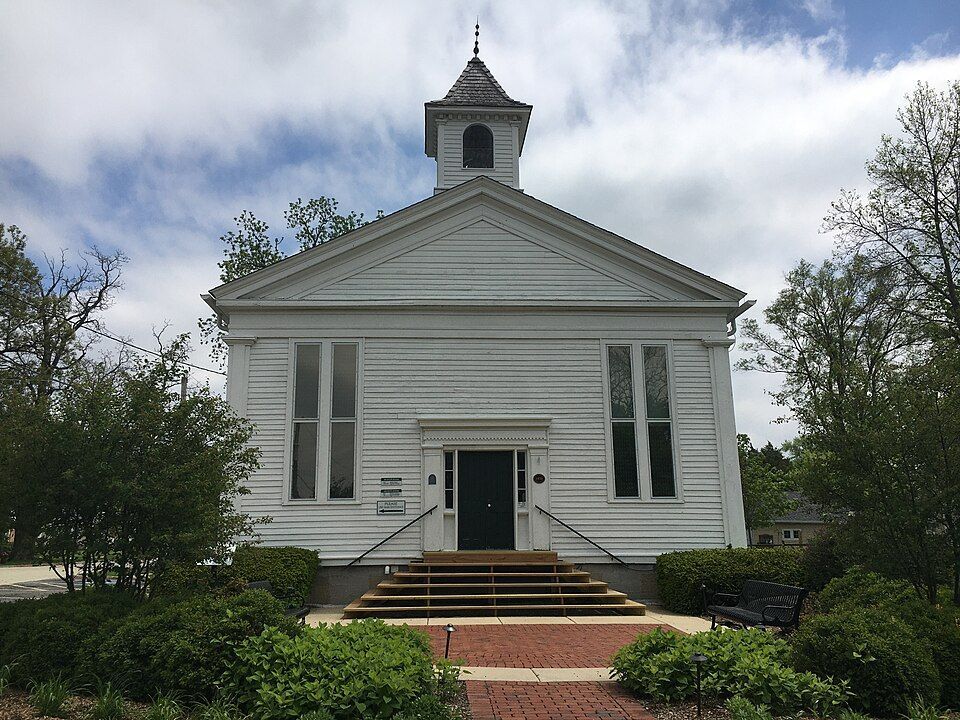
The Little White School Museum is a local history museum in Oswego, Illinois, housed in a nineteenth century building that has served the community as a church, a school, and now a museum.
Its simple white frame structure is one of the older surviving buildings in the village, and its collections document the people and events that shaped Oswego from its pioneer days to the present.
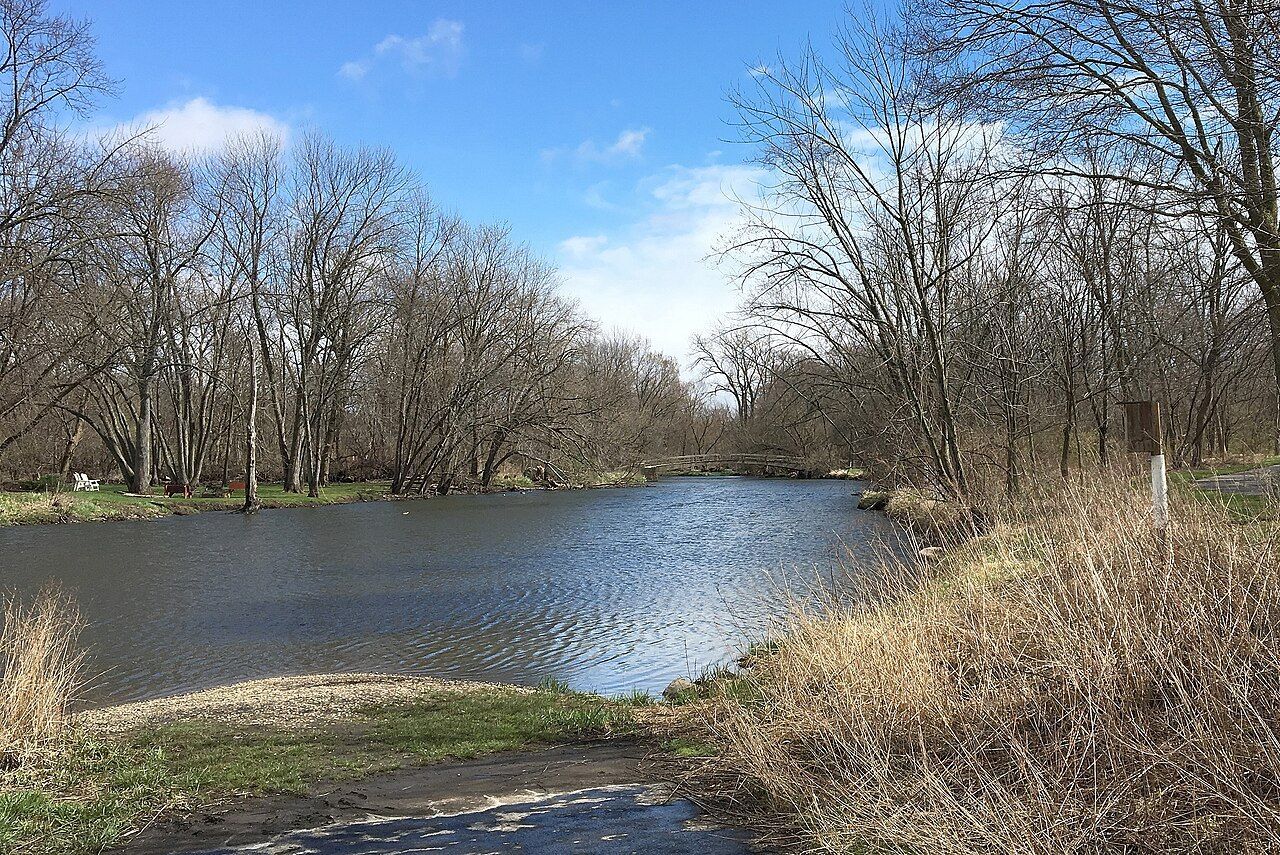
The museum sits a short distance from the Fox River, the waterway that drew the area’s first settlers. For Oswego residents, Kendall County families, and anyone interested in how a small Illinois river town grew into a suburban community, the Little White School Museum offers a window into local history.
Oswego’s Pioneer Beginnings
Settlers began arriving in the Oswego area in the early 1830s, drawn by the Fox River and the open prairie around it. In 1833, William Smith Wilson, his wife Rebecca, and his brother-in-law Daniel Pearce moved to the land that would become Oswego. A natural crossing point on the river made the site a stopping place for travelers moving across northern Illinois, and a small village grew up near the ford.
The young settlement went by more than one name. It was laid out as Hudson, while its post office was listed as Lodi. In January 1837, residents settled the question with a vote, and Oswego won by a single vote. The name came from Oswego, New York, and is an Iroquois word meaning "mouth of the stream." The village was incorporated in 1852.
Early residents farmed the surrounding land, and mills along the river processed grain from nearby farms. As the community grew, residents built churches, schools, and shops that served both the village and the countryside.
Religious congregations played an important role in early community life, providing places for worship, gatherings, and education. The building that now houses the Little White School Museum dates from this formative period.
From Church to Schoolhouse
The Little White School Museum building was constructed in the mid-1800s as a Methodist Episcopal church. Built in a modest style common to rural Illinois churches of the era, it served its congregation for several decades as Oswego developed into a farm town.
In the early twentieth century, the building found a new purpose when it was acquired for use as a school. For decades, local children attended classes there, and the building’s white exterior gave it the name that residents still use today.
Its change from church to schoolhouse reflects how small communities often adapted existing buildings to meet new needs rather than replacing them.
Image Credit: Jauerback, CC BY-SA 3.0, via Wikimedia Commons
Restoration and the Museum Today
After the building's years as a school ended, its future was uncertain. Local residents and community groups worked to save it, seeing it as one of the few remaining links to Oswego's early history. Restoration returned the building to its historic character, and it reopened as the Little White School Museum, dedicated to collecting, preserving, and sharing the story of Oswego and the surrounding Fox River valley.
The museum is overseen by the Oswegoland Park District, the local park agency established in 1950. Its exhibits cover Oswego's settlement, farming life, schools, and community events, supported by photographs, documents, and objects donated by local families.
These collections help residents and researchers see how daily life in the area has changed over nearly two centuries. The building itself is part of the story, a former church turned schoolhouse that shows how the village reused what it had as it grew.
Northern Illinois Climate and the Museum’s Seasons
Northern Illinois weather shapes how residents and visitors experience the museum and the surrounding village. Normals from Chicago O’Hare International Airport, about 30 miles northeast of Oswego, show July highs in the mid-80s°F, January lows in the upper teens, and roughly 38 inches of annual precipitation, according to NOAA climate data for the Chicago O’Hare area. Summers are warm and humid, while winters bring cold temperatures and snow.
For early settlers, these seasons set the pattern of farm life, from spring planting to fall harvest and long winters indoors. Today the same seasonal rhythm affects how people enjoy Oswego’s historic sites, with spring and fall offering comfortable weather for walking the village and its riverfront parks. Indoor museums like the Little White School give residents a place to explore local history year-round, regardless of the weather.
The Museum’s Place in Oswego’s Identity
Oswego has grown from a small farm town into a large suburban community, and much of the surrounding farmland has been replaced by neighborhoods and shopping areas. With 34,485 residents in the 2020 census, it is now the largest municipality in Kendall County. The Little White School Museum helps keep the village's earlier identity visible, reminding residents that the community has roots stretching back to its pioneer days.
The museum also serves as a gathering place for people interested in local history, from longtime families to newcomers learning about their new hometown. Local parks and public spaces complement this role, and the Oswegoland Park District maintains many of the parks and trails that connect residents to the village’s riverfront and open spaces.
For Kendall County residents and anyone exploring the history and community character of Oswego, Illinois, the Little White School Museum remains a lasting link to the village’s pioneer heritage.