Illinois EPA Waste Disposal Rules for Auto Shops
When you bring your vehicle to an auto repair shop in Carol Stream or anywhere across DuPage County, the Illinois Environmental Protection Agency’s waste disposal regulations directly affect how that shop handles the used oil, spent antifreeze, worn tires, and hazardous fluids generated during routine service.
Understanding what Illinois EPA waste disposal rules require of auto repair facilities gives Carol Stream and northwest suburban Chicago drivers a concrete basis for evaluating any shop’s environmental responsibility before authorizing service on their vehicle.
What Illinois EPA Waste Disposal Rules Cover for Auto Repair Shops
The Illinois EPA administers the state’s waste management regulatory framework under the Illinois Environmental Protection Act, establishing the disposal requirements that auto repair facilities must follow when handling the waste streams that automotive service generates. Illinois EPA waste regulations cover several categories of waste that every full-service auto repair shop produces in the course of routine maintenance and repair work.
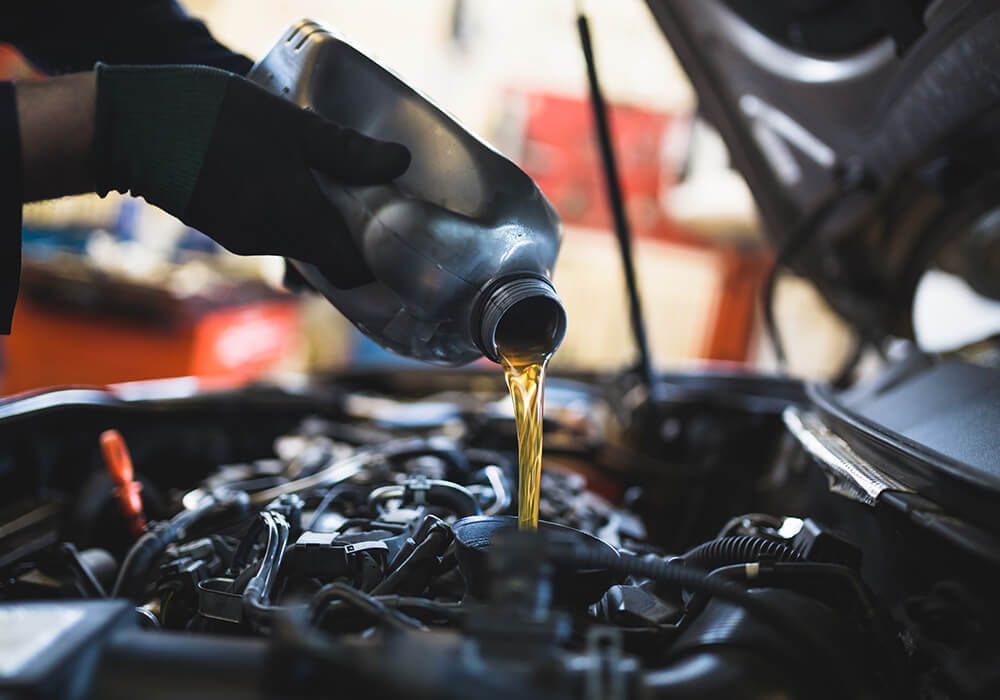
Used motor oil is one of the most significant regulated waste streams for auto repair shops — Illinois prohibits disposal of used oil in landfills, storm drains, or septic systems and requires that shops either recycle used oil through licensed collectors or burn it in approved used oil furnaces.
Spent antifreeze, brake fluid, and other automotive fluids are not automatically classified as hazardous waste, but they can become hazardous depending on contaminants such as heavy metals or solvents, so shops need to evaluate and manage these materials under the applicable Illinois waste rules.
Used tires are regulated under Illinois’s used tire management program, which requires shops to track tire quantities and use licensed haulers for disposal rather than accumulating tires beyond permitted limits. The Illinois EPA’s automotive repair shop compliance resources publish the complete waste disposal regulatory framework and compliance guidance that Carol Stream and DuPage County auto repair facilities must follow.
How Illinois EPA Rules Protect Carol Stream’s Environment and Community
Understanding why Illinois EPA waste disposal rules exist and what environmental risks they address helps Carol Stream and DuPage County drivers recognize the practical significance of choosing a shop that follows proper waste management practices. The regulations address specific environmental contamination risks that improper auto shop waste disposal creates for Illinois communities.
Used motor oil that is improperly disposed of by dumping or draining into the ground can contaminate soil and groundwater — a single gallon of used oil can render one million gallons of drinking water undrinkable if it reaches a water supply. Spent antifreeze contains ethylene glycol and heavy metals that create toxicity risks for soil, groundwater, and wildlife if improperly disposed of — and the sweet taste of antifreeze makes it particularly dangerous to animals and children if it reaches accessible areas.
The Illinois EPA’s used oil program and recycling resources document the used oil management requirements and recycling infrastructure that Carol Stream auto shops must use to keep these materials out of DuPage County’s environment.
What Illinois Small Quantity Generator Rules Mean for Carol Stream Auto Shops
Depending on how much hazardous waste they generate each month, some auto repair shops may fall under the small quantity generator category for hazardous waste — a regulatory classification that affects how shops must manage, store, and dispose of the hazardous materials their service operations produce. Understanding what small quantity generator status means helps drivers evaluate whether a shop is managing its hazardous waste obligations appropriately.
Illinois follows federal EPA hazardous waste generator regulations that classify facilities by the quantity of hazardous waste they generate monthly — with small quantity generators producing between 100 and 1,000 kilograms of hazardous waste per month subject to specific storage time limits, container labeling requirements, and disposal pathway obligations.
Auto repair shops that generate used brake fluid, spent solvents, contaminated fuel, or other wastes that may be hazardous must manage those materials under the applicable generator category rules — including using licensed hazardous waste haulers and maintaining disposal documentation that demonstrates regulatory compliance.
For Carol Stream and DuPage County drivers who want assurance that their preferred shop handles hazardous materials responsibly, asking about a shop’s waste disposal practices and licensed hauler relationships is a reasonable due diligence question. The Illinois EPA’s hazardous waste generator resources document the small quantity generator requirements and compliance obligations that apply to Carol Stream and DuPage County auto repair facilities.
What Carol Stream Drivers Should Ask About Environmental Practices Before Any Service
Understanding Illinois EPA waste disposal rules gives Carol Stream and DuPage County vehicle owners specific questions to ask any auto repair shop before authorizing service. These questions establish whether the shop follows the environmental responsibility standards that Illinois regulations require and that responsible automotive service demands:
- Does the shop recycle used motor oil through a licensed Illinois EPA collector — and can they describe their used oil management process if asked?
- How does the shop dispose of spent antifreeze, brake fluid, and other automotive fluids — and does the shop use licensed waste haulers for hazardous material disposal?
- Does the shop track and properly dispose of used tires through Illinois’s used tire management program — and do they use licensed tire haulers rather than accumulating tires beyond permitted quantities?
- Has the shop experienced any Illinois EPA compliance notices or violations related to waste disposal — and can they describe their current waste management practices if asked?
- Does the shop keep records from its used oil collector and waste haulers, and can it explain how those materials are tracked after they leave the shop?
A Carol Stream auto repair shop that welcomes these questions and can describe specific licensed waste disposal practices is one operating with the environmental accountability that Illinois EPA regulations require and that your community’s environment deserves. The Illinois EPA’s compliance and enforcement resources document the regulatory compliance framework and enforcement tools that DuPage County drivers can reference when evaluating any auto repair facility’s environmental responsibility.
Carol Stream Auto Repair Built on 65 Years of Family Tradition and ASE-Certified Service
Understanding Illinois EPA waste disposal rules gives Carol Stream and DuPage County drivers a concrete environmental accountability framework for evaluating any auto repair facility, one that connects responsible waste management directly to the professional standards and community values that quality automotive service requires.
Bartel’s Auto Clinic has served Carol Stream and the northwest Chicago suburbs with ASE-Certified automotive repair as part of a family-owned tradition dating to 1958. Whether you need AC repair, wheel alignments, or brake repair for any make or model, our team combines modern diagnostics with attentive customer service.
We’re open seven days a week for drivers in Elgin, Schaumburg, Arlington Heights, Palatine, Wheaton, and Hoffman Estates. Call Bartel’s Auto Clinic at (630) 360-2964 to schedule your visit.