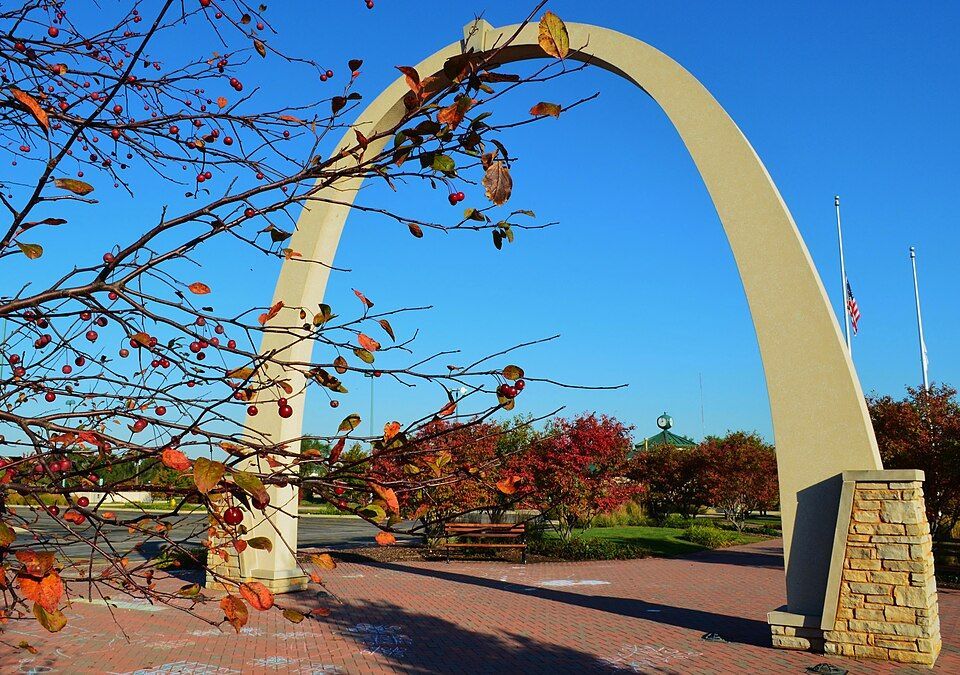
Plainfield Historic District and the Village's Downtown Core
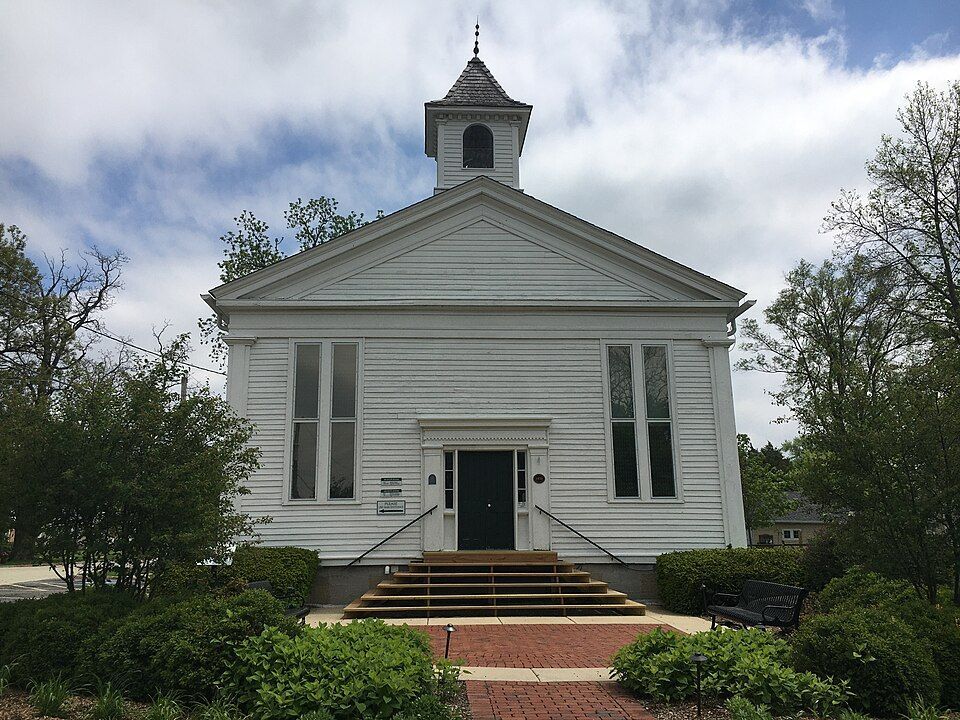
The Downtown Plainfield Historic District preserves the historic heart of Plainfield, Illinois, a village in Will and Kendall counties southwest of Chicago. Centered on Lockport Street and the surrounding blocks, the district includes nineteenth and early twentieth century commercial buildings, churches, and homes that reflect the village’s roots as an early frontier settlement along the DuPage River.
The historic Lincoln Highway also runs through downtown, linking Plainfield’s past to one of the first transcontinental roads in the United States.
For Plainfield residents, Will County families, and anyone interested in how a small river town grew into a large suburban community, the historic district offers a clear view of the village’s history and character.
Plainfield’s Early Settlement
Plainfield is often described as one of the oldest communities in Will County. Settlers arrived in the late 1820s and 1830s, drawn by the fertile prairie and the DuPage River, which provided water and power for early mills. A small village grew up near the river, serving the farms that spread across the surrounding land.
Early Plainfield developed as a stopping point for travelers and a market town for local farmers. The Halfway House, a stagecoach stop from the 1830s that is now listed on the National Register of Historic Places, reflects this early role along routes connecting Chicago to communities farther west. Churches, schools, and shops formed the core of the community, and many of the buildings that line the historic district today date from the decades that followed. The village’s growth followed the rhythms of agriculture, with merchants and craftsmen serving the needs of the farming families nearby.
The Lincoln Highway Through Downtown
In the early twentieth century, the Lincoln Highway brought new attention to Plainfield. Established in 1913 as one of the first roads to cross the United States from coast to coast, the highway passed directly through downtown along Lockport Street.
Travelers heading east and west stopped in Plainfield for food, fuel, and lodging, and businesses along the route adapted to serve them. Today the Lincoln Highway remains part of Plainfield’s identity. Markers and interpretive features in the downtown area recall the road’s history, and the route is still part of U.S. Route 30.
For visitors interested in early automobile travel, Plainfield offers a chance to see a historic stretch of the highway in a setting that still reflects its small-town origins.
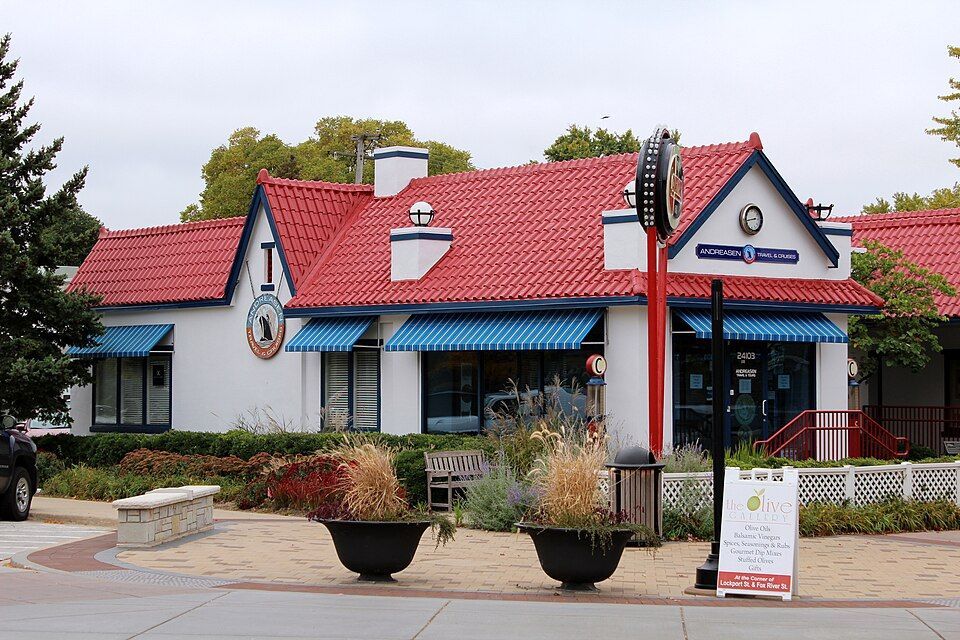
Image Credit: Anatoly Evdokimov, CC BY-SA 3.0, via Wikimedia Commons
Architecture and Preservation in the Historic District
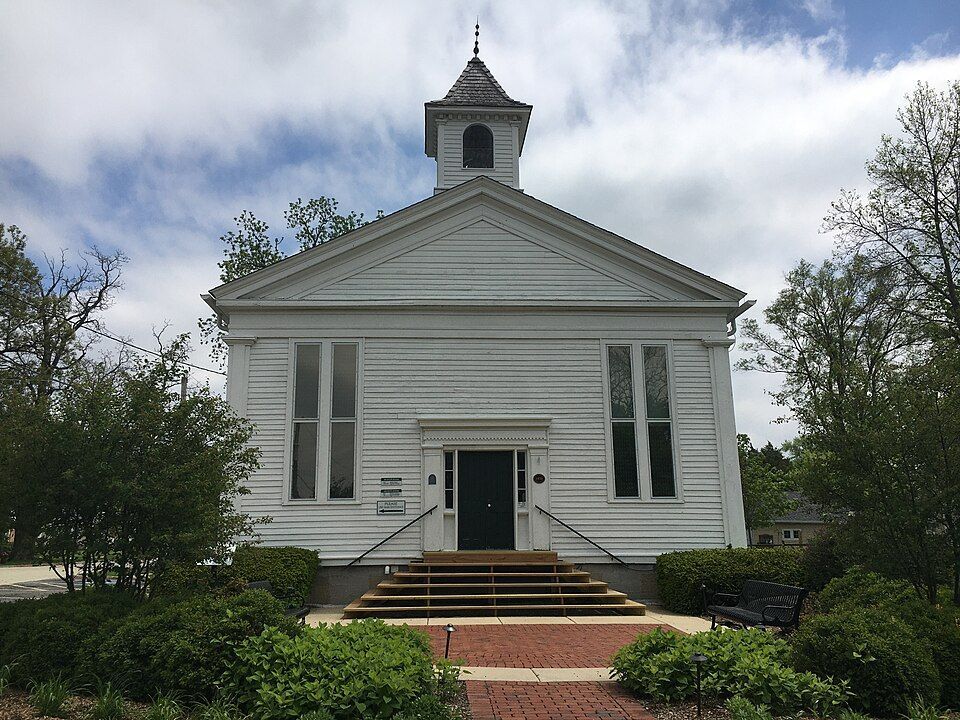
The Plainfield Historic District includes a mix of building styles that reflect the village’s growth over more than a century. Brick commercial buildings line Lockport Street, while nearby residential blocks include homes built in styles popular during the late nineteenth and early twentieth centuries. Churches and civic buildings add to the district’s historic character.
Preserving these buildings has been an ongoing effort for the village and local residents. Historic district guidelines help guide changes to building exteriors, so that renovations and new construction remain compatible with the area’s character.
The Village of Plainfield provides information on historic preservation, downtown planning, and community events. Local history organizations also collect photographs, records, and stories that document the village’s past, and the Plainfield Area Historical Society shares that history with residents and visitors.
Northern Illinois Climate and Downtown Seasons
Northern Illinois weather shapes life in downtown Plainfield throughout the year. Normals from Chicago O’Hare International Airport, about 35 miles northeast, show July highs in the mid-80s°F, January lows in the upper teens, and roughly 38 inches of annual precipitation, according to NOAA climate data for the Chicago O’Hare area. Summers are warm and humid, while winters bring cold temperatures and snow.
Seasonal changes affect how residents and visitors use the historic district. Summer and early fall bring outdoor events, festivals, and evening strolls along Lockport Street.
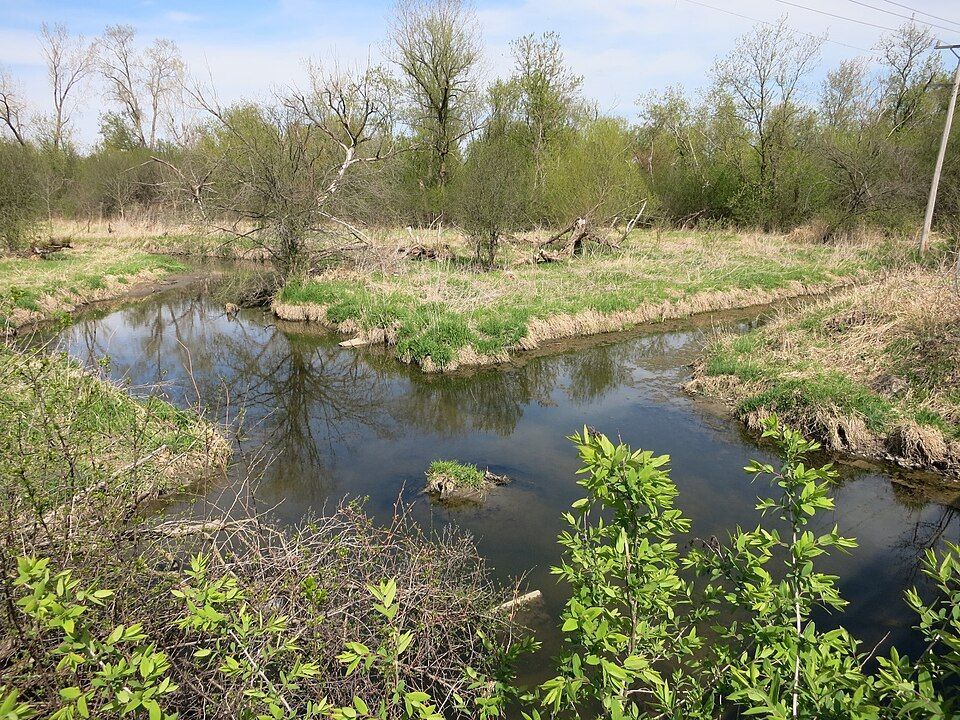
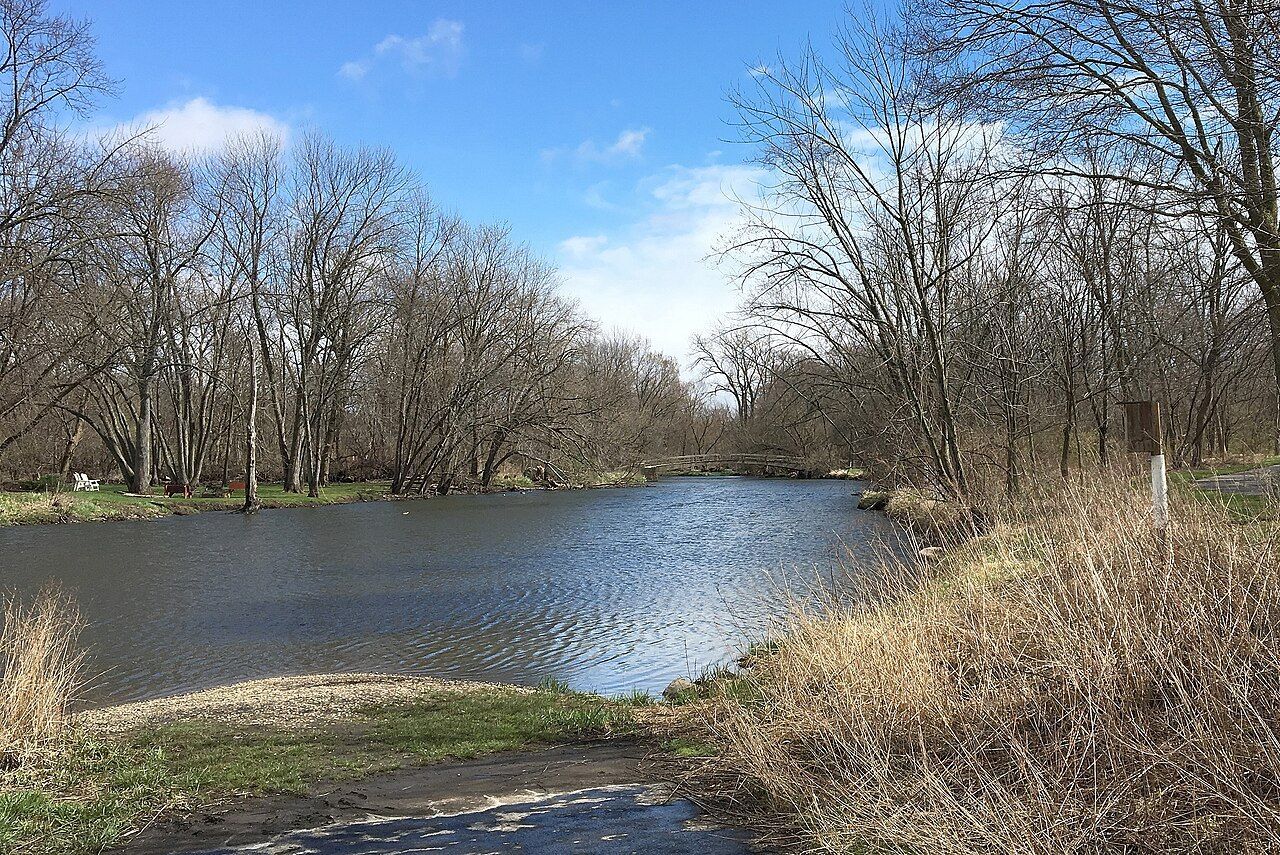
Spring rains can raise the DuPage River nearby, while winter brings holiday celebrations that draw people downtown despite the cold. Freeze and thaw cycles also take a toll on older masonry and sidewalks, which is one reason ongoing maintenance matters in a historic district.
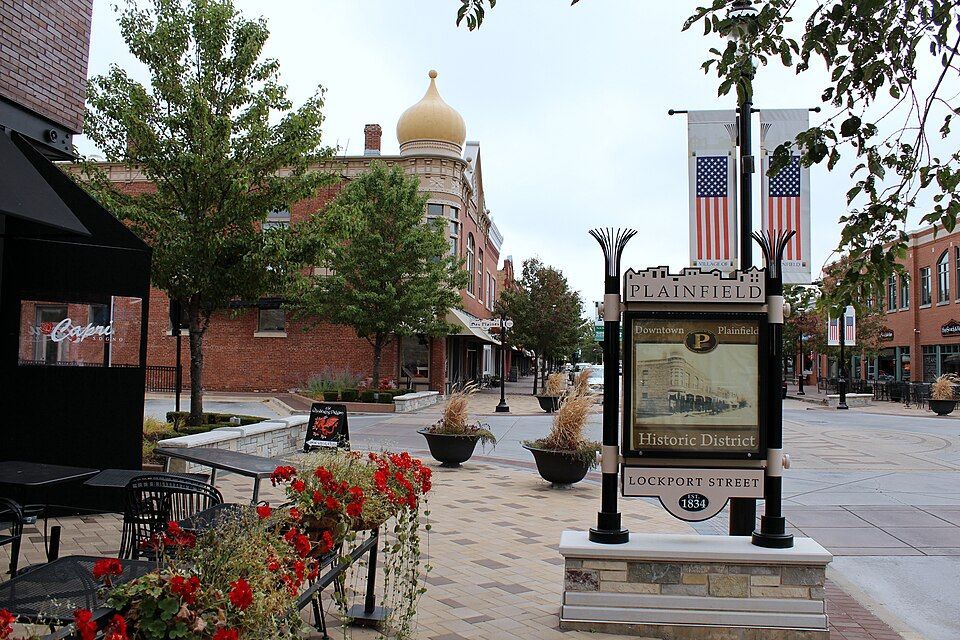
Image Credit: Anatoly Evdokimov, CC BY-SA 3.0, via Wikimedia Commons
The Historic District’s Role in Plainfield’s Identity
Plainfield has grown dramatically in recent decades, changing from a small village into a suburban community of roughly 45,000 residents. New neighborhoods and shopping areas have spread across the surrounding farmland, but the historic district remains the village’s recognizable center. It offers a link to the community’s origins at a time when much of the area has changed.
For residents, downtown is a gathering place for festivals, shopping, dining, and community events. For newcomers, it provides an introduction to the history that shaped the village.
For Will County residents and anyone exploring the history and community character of Plainfield, Illinois, the Plainfield Historic District remains the heart of the village and a lasting connection to its past.